
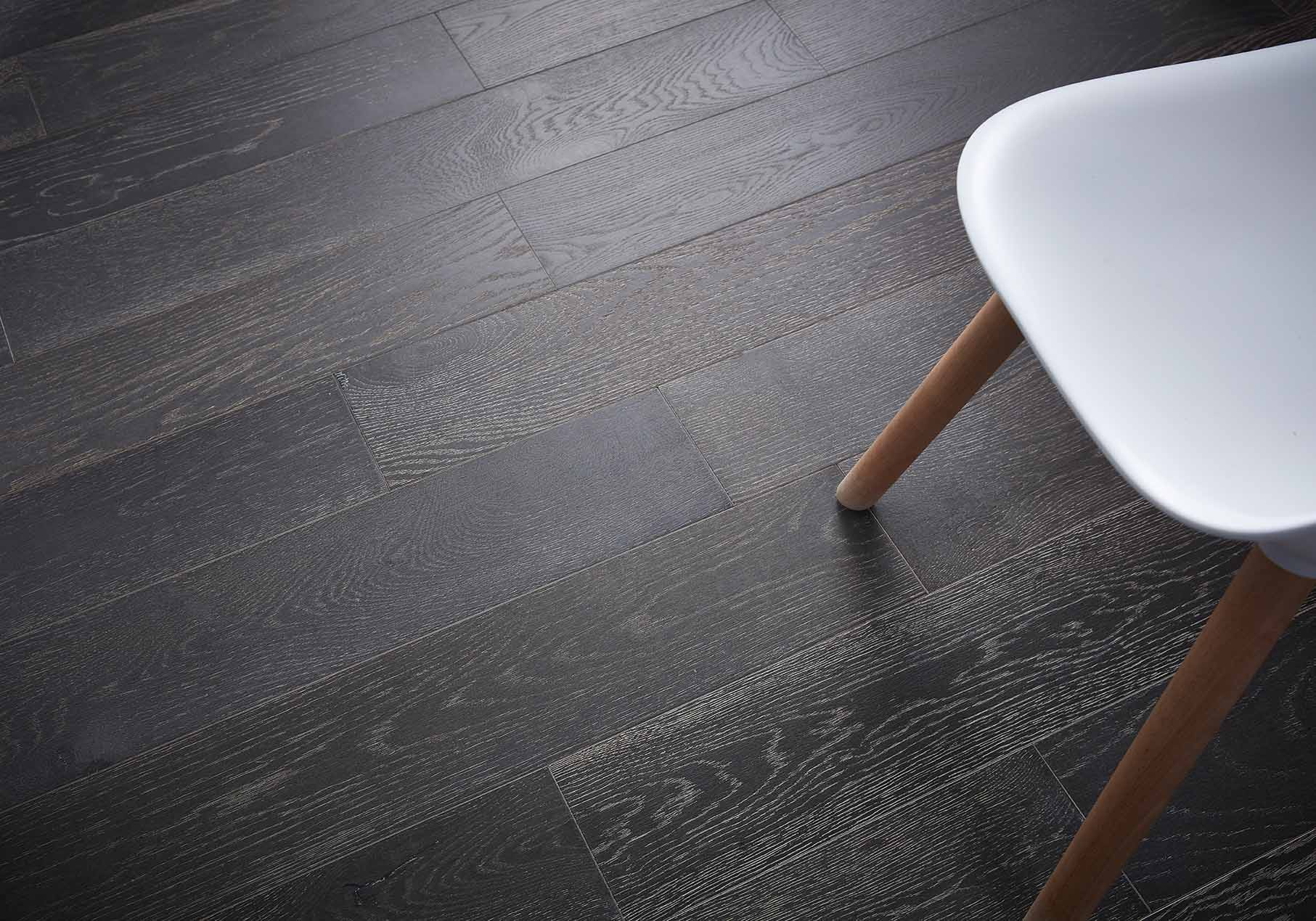
Combining fantastic design with the finest craftsmanship
Established as a family firm in 1903, Atkinson & Kirby continues to be a close-knit team that respects the craft tradition whilst always looking at the future of wood flooring. We're proud to manufacture our flooring accessories in Britain, applying innovation to ensure you constantly have the broadest, highest quality range at your fingertips.
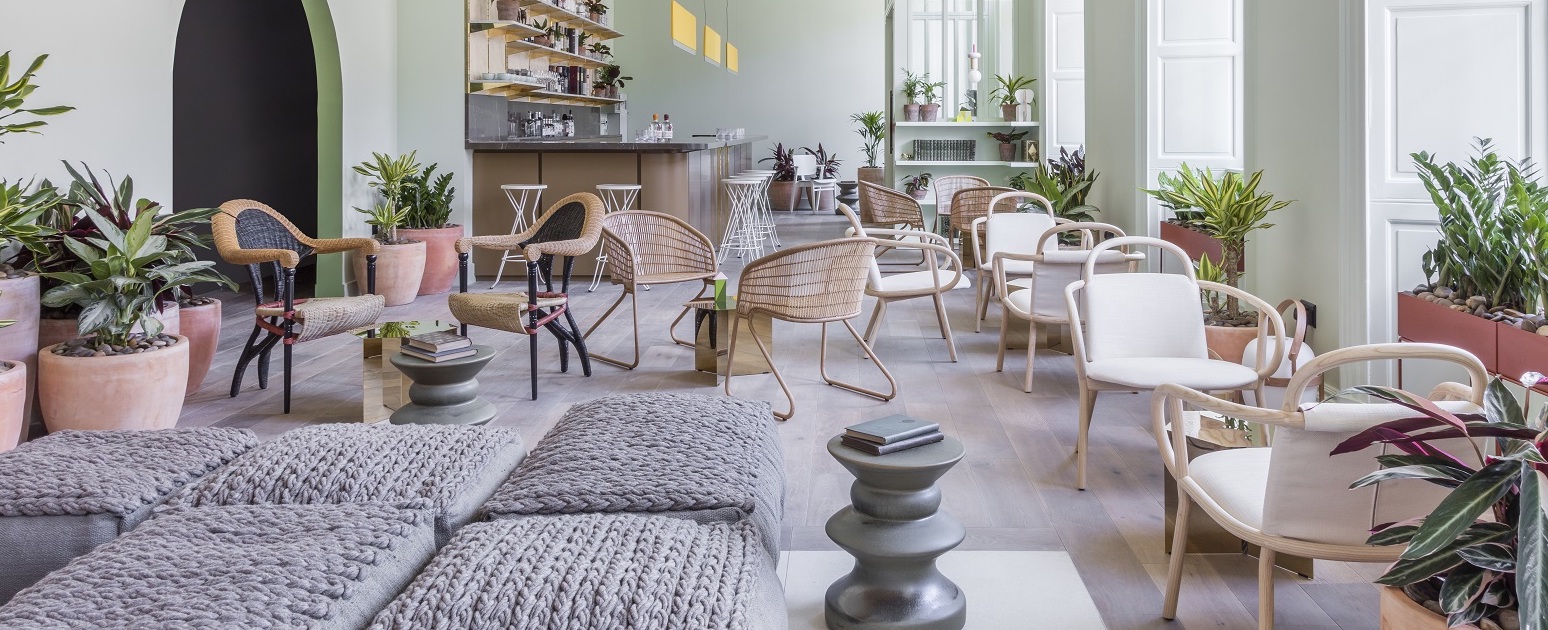
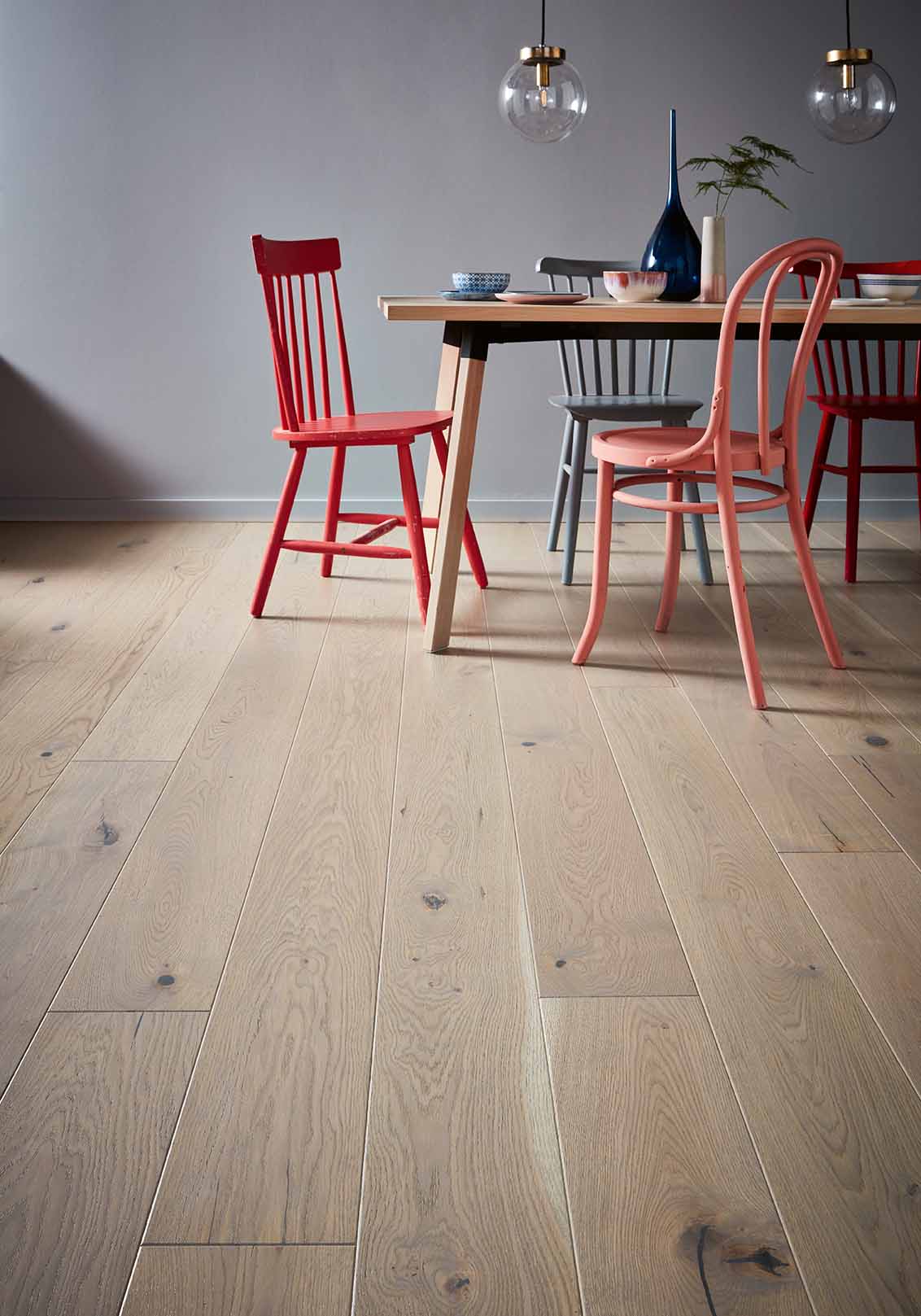
We combine over a century of skill and craft with leading technology to develop the next generation of hardwood flooring.
Our flooring collections are expertly curated to create inspiring spaces for all interiors, with continuous updates following upcoming design trends.
Our History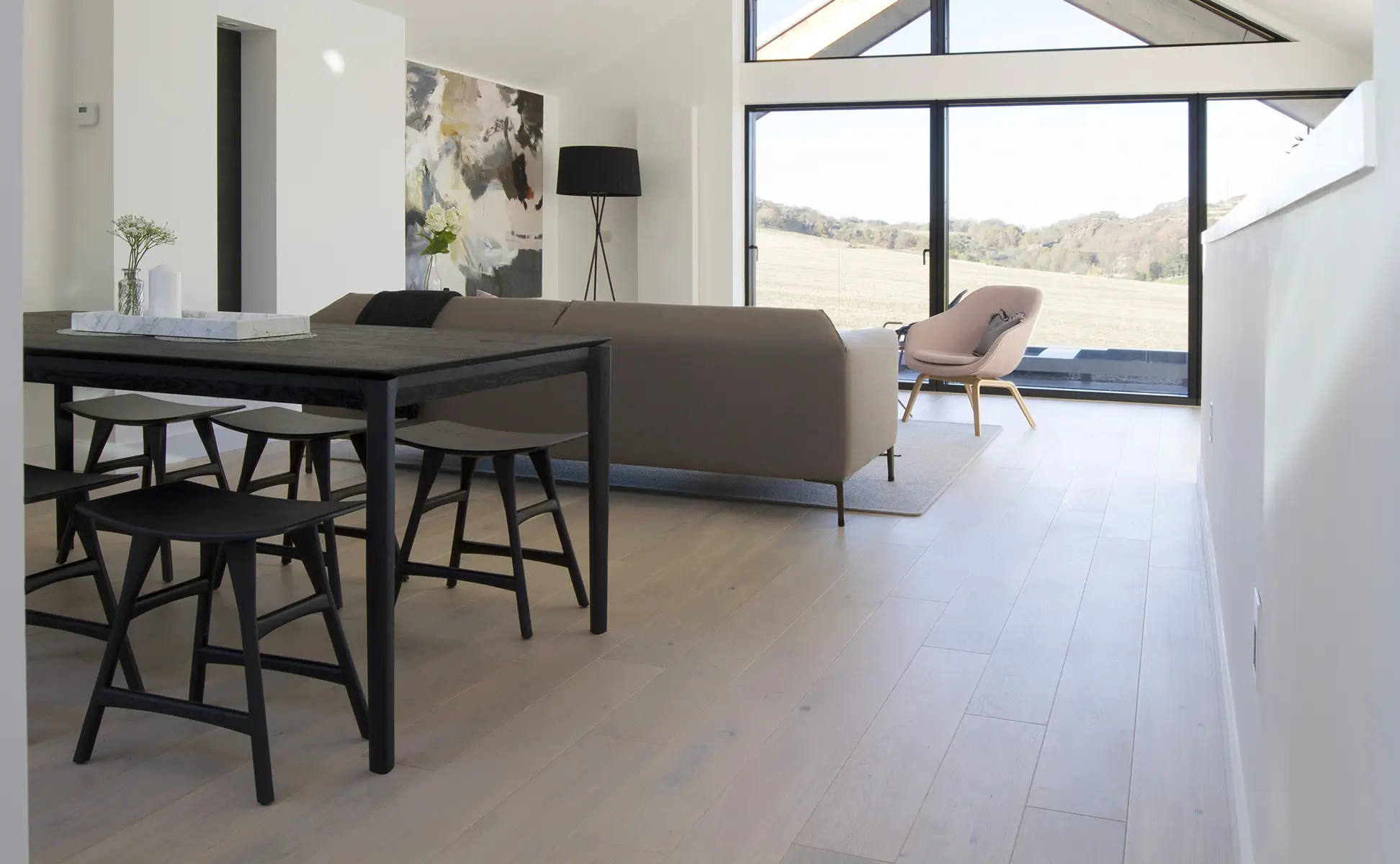
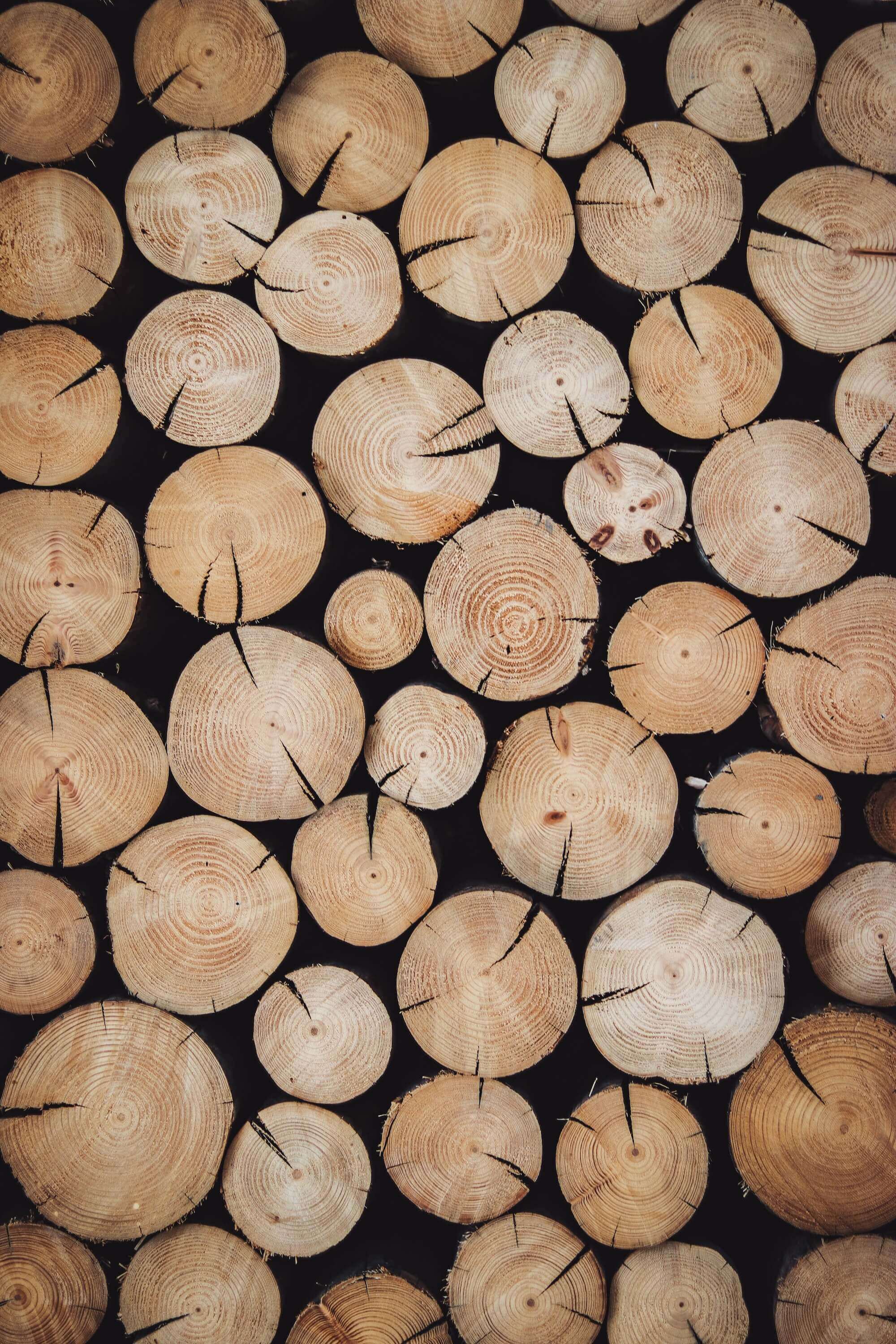
Crafting timber floors sustainabily.
Wood is an amazing natural resource and we feel privileged to work with it. Environmental responsibility is one of our top priorities and we are proud to support sustainable timber production with a host of environmental and sustainable accreditations.
Sustainability
Latest Company News
Keep up to date with the latest in flooring development and innovation at Atkinson & Kirby.
View all newsWood flooring is a long-term investment in the home. When cared for correctly, it will retain its natural character, stability and appearance for many years of everyday living. At Atkinson & Kirby, our wood flooring is designed for real homes and real use. Each floor combines natural beauty with practical construction, making it easy to maintain with a simple, consistent routine. Everyday Cleaning: Simple and Effective Regular light cleaning is the most important part of wood floor care. Dust, grit and everyday debris can act like fine abrasives, so removing them often helps protect the surface over time. A soft-bristle brush, microfibre mop or vacuum suitable for hard floors is all that’s needed for routine cleaning. This keeps the surface looking fresh without the need for intensive cleaning or specialist products. How to Clean Wood Flooring Properly Wood flooring should always be cleaned gently, using minimal moisture. Best practice includes: Using a lightly damp mop, not a wet one Choosing a pH-neutral wood floor cleaner Cleaning spills as soon as they happen Avoiding steam mops and harsh chemicals Atkinson & Kirby engineered wood flooring is designed for everyday home environments, making routine cleaning straightforward when these simple steps are followed. Scratches and Everyday Wear Light marks and surface scratches are a normal part of living with real wood flooring, especially in busy areas such as hallways, kitchens and living spaces. Minor wear can often be reduced using repair oils, wax sticks or colour-matched fillers. Deeper scratches may require more specific repair depending on the floor’s finish. Our line of WOCA all-in-one maintenance kits are the ultimate solution for effortless cleaning, protecting and enhancing the natural beauty of the wood. Explore the kits here. One of the key advantages of real wood flooring is that it can often be refreshed over time. Unlike many synthetic alternatives, it offers the ability to restore its appearance rather than replace it. Light vs Dark Wood: What to Expect The colour of your floor can influence how everyday wear is seen. Light wood floors like our Manoa Oak or Seba Oak tend to disguise dust and fine marks more easily, making them a practical choice for busy family homes and bright interiors. Whereas, dark wood floors such as those in our Antique collection like our Aldwych Oak create a strong, elegant look but may show dust and footprints more readily, particularly in areas with strong natural light. Atkinson & Kirby offers a wide range of natural tones, helping homeowners choose a finish that suits both lifestyle and design preferences. Engineered vs Solid Wood: Care Over Time Both engineered and solid wood flooring are designed for long-term use, but they offer different benefits. Engineered wood flooring provides excellent stability and is ideal for modern living, including homes with underfloor heating. Solid wood flooring offers the greatest long-term flexibility. It can typically be sanded and refinished multiple times, allowing the surface to be restored rather than replaced. This makes it one of the easiest flooring types to maintain over the long term. Explore the full Atkinson & Kirby range here.
READ ARTICLEIf you ask most people what makes a floor tough, they picture a surface that never scratches. The more useful answer is different. The best hard-wearing flooring for a busy home is not the one that never marks: it is the one that lasts for years to come or can be brought back to life. For example, a tough paint is not one that cleans itself; instead, it is one that can be replenished, cleaned and maintained time and time again without having to repaint. That single idea changes how you shop for flooring. Instead of searching for a scratch-proof (often listed as ‘scratch resistant’) surface, you should look at how a floor ages: how thick its wear layer is, and what finish sits on top. This guide is written for first-time homeowners and renovators who want a floor that copes with school runs, dinner parties, muddy paws and everything in between, without looking tired by year three. Summary: Hard-wearing flooring is decided by its wear layer and finish, not just surface hardness. Engineered real wood with a thick wear layer can be sanded and refinished, giving decades of use. Matte and textured finishes hide everyday scuffs far better than gloss. For heavy traffic, choose the Heritage collection; on a budget, choose Principle; for pets and children, choose Timeworn. A floor that lasts longer is also the kinder choice for your budget and the planet. What actually makes flooring hard-wearing Most hard-wearing flooring advice stops at one number: hardness. Hardness tells you how easily a floor dents under a dropped pan, but very little about how it looks after two years of family life. Everyday wear comes from grit underfoot, chair legs, claws and sunlight, often not single heavy knocks. Two features handle that, and neither is hardness. Why the wear layer matters more than hardness On engineered wood, the wear layer is the solid timber on top, bonded to a stable core beneath. The thicker it is, the more times the floor can be sanded and resealed. A thick wear layer means the floor is renewable. Our Heritage collection, for example, carries an extra-thick 6mm oak wear layer, so it can be sanded and resealed many times over the years rather than ripped out and replaced. Thin wear layer: looks fine on day one, but cannot be refinished much, if at all, such as ultra-thin veneers. Thick wear layer: absorbs years of wear and can be restored to like-new. The finish does most of the work If the wear layer governs lifespan, the finish governs how the floor copes day to day. This is where busy homes win or lose. A practical rule: matte and textured finishes hide scuffs, gloss shows them off. A high-shine floor reflects light across every micro-scratch, while a matte, brushed surface scatters it and stays looking even for far longer. Here is how our most popular finishes compare for a busy household. Finish The look Everyday resilience Upkeep Lacquered Clean, lightly sheened Very good, sealed against spills Low, wipe and go Oiled Natural, soft, tactile Good, but reacts to wear sooner Higher, occasional re-oiling UV-oiled Natural oiled look, cured for toughness Excellent, far harder than standard oil Low Fusion Hybrid Refined matte, oil-wax character Outstanding, lacquer-level protection Lowest in the range *Routine maintenance and cleaning is recommended as per our Care and Maintenance guidance. The Harmony collection uses a UV-oiled finish that keeps the warm, natural feel of oil but is cured under UV light for far greater wear resistance. The Heritage collection goes further with its Fusion Hybrid surface, which pairs the matte beauty of oil-wax with the protection of a lacquer. Hard-wearing wooden flooring, room by room A floor that is perfect in a bedroom can struggle in a kitchen. The smart move is to match the construction and finish to how each space is actually used. That’s where our friendly team are here to help - contact us for advice. Hard-wearing kitchen flooring Kitchens combine spills, temperature swings and constant foot traffic. The truth about real wood here is that engineered construction, not solid timber, is what makes it work. Engineered boards have a multi-layer core that stays far more stable through the warmth and humidity a kitchen throws at it. Add a sealed matte finish and prompt wiping of spills, and a real wood floor earns its place in the heart of the home. Choose engineered over solid for kitchen stability. Favour a lacquered or Fusion Hybrid finish for spill resistance. Wipe spills promptly rather than letting them sit. You can see suitable ranges on the kitchen flooring page. “ As part of our product development and testing, we left coffee on the surface of our Heritage Collection (Fusion Hybrid finish) until it dried, 24 hours later, and the coffee left no marks at all. It is worth noting that this was a test conducted on new boards, and routine care and maintenance should be followed to ensure continued levels of performance.” - Elliot Tait, Head of Sales - Scotland Hard-wearing flooring for the living room Living rooms take steady daily traffic rather than dramatic abuse, so the priority is a floor that stays even and handsome over time. That points you towards a textured or matte finish and a colour that disguises light wear between cleans. If you are weighing up styles and tones as well as durability, our wider guide on the best flooring for living rooms covers the look side in detail. For the hard-wearing side specifically, browse options on the living room flooring page. Hard-wearing office flooring and hallways Home offices and hallways are the unsung high-traffic zones: chair castors in one, every visitor's shoes in the other. Both reward the toughest finish you can buy. For hard-wearing office flooring, the Heritage collection's thick wear layer and Fusion Hybrid finish suit this repeated, concentrated use, and a chair mat under a desk spares the surface from castor wear. Explore ranges for the home office and hallway. Match the floor to your household There is no single ‘best’ answer, only the best fit for how you live. This table maps common priorities to the right collection. If your priority is Consider Why it works Most durable, heavy traffic Heritage 6mm oak wear layer and Fusion Hybrid matte finish, refinishable for decades Lowest price, real wood Principle Practical entry-level range, durable and easy to maintain Dogs and busy families Timeworn Distressed, smoke-through colour that hides and survives daily knocks Open-plan flow and underfloor heating Harmony UV-oiled finish and stable three-layer core that handles temperature change Warmth and a softer, natural look Natural Warm honey oak tones, lightly finished and built to last Hard-wearing flooring for dogs and busy families This is where one of our collections quietly outperforms the rest. Hard-wearing flooring for dogs has to forgive claw marks, the odd accident and a lot of skidding paws. The Timeworn collection is distressed and brushed by design, so its surface already expects character. Selected floors feature smoked oak colour, which also runs deep into the wood rather than sitting on top, so the tone holds even as the floor is refinished. For families with children and pets, a forgiving textured floor beats a flawless glossy one every time. “From a practical renovation standpoint, this is where flooring choice becomes highly personal and where function can quietly drive long-term value. As the owner of a black working cocker spaniel, I know first-hand that flooring isn’t just about aesthetics; it must cope with energy, claws, and constant movement. Slip resistance is critical. Real wood with a brushed or textured finish provides the grip needed to reduce strain and injury risk for active pets while maintaining a premium look. There’s also a strategic decision around colour. Many homeowners choose mid-tones to disguise pet hair, but there’s a compelling argument for doing the opposite: we selected a tone that reveals hair and dust, prompting more regular cleaning and preserving the floor’s overall presentation, particularly important if resale is on the horizon - which was the case with our recent renovation (We achieved above asking price)." - Stuart Cottle, Product Manager The most affordable hard-wearing option Tough does not have to mean expensive. The Principle collection is our most accessible real wood range, designed to be practical, easy to fit and easy to live with across living rooms, bedrooms, offices and stairs. It proves a point worth remembering: an affordable real wood floor that can be cared for and refreshed often works out cheaper over a decade than a cheaper material you replace twice. Comfort and warmth underfoot Hard-wearing should not mean cold and clinical. Wood is naturally warmer underfoot than tile or stone. If you have underfloor heating, the Harmony collection stays stable through the heat cycles, so you get warmth, open-plan flow and a finish that resists wear. Stain-resistant flooring and low-effort care For most busy homes, stain-resistant flooring really means a well-sealed surface plus sensible habits. A lacquered or Fusion Hybrid finish forms a protective barrier, so the occasional spilt glass of wine or splash of coffee wipes away rather than soaks in. Two simple habits do most of the heavy lifting: Deal with spills quickly rather than leaving them to settle. Place mats at entrances to catch the grit that causes the most wear of the protective finish layer. A matte finish also hides the faint marks of daily life between cleans, which keeps the floor looking fresh with less effort. For the full routine, our care and maintenance guidance walks through it step by step. So what's the best hard-wearing flooring? The one that lasts longest Here is the key takeaway. The best hard-wearing flooring is rarely the surface that resists a single scratch hardest. It is the floor you can renew. A quality engineered wood floor with a thick wear layer can be sanded and resealed several times across its life. A material that cannot be refinished tends to be replaced instead, with all the disruption that causes, too! Over twenty years, the renewable floor is usually a better value, sends far less to landfill, and causes far less disruption to your life. That makes longevity the real sustainability story for wood. If air quality is also on your list, our ultimate guide to non-toxic flooring covers that side in full, alongside the wellness-focused Breathe range. “From personal experience, I’d always steer people towards something like the Heritage or Breathe collections. With a dog and a toddler at home, durability and easy cleaning are non-negotiable and the Puro‑Tech and Fusion Hybrid finishes really do take the stress out of day-to-day wear. The low VOC credentials are a big win too; it’s something I pay much more attention to now with little ones crawling around. You get peace of mind without compromising on look.” - Stuart Cottle, Product Manager. Find the floor that defines your space The best hard-wearing flooring for your home is the one matched to your rooms, your routine and your budget, and built to be refreshed rather than replaced. Whether that is the heavy-duty Heritage collection, the family-friendly Timeworn collection or the value of Principle, there is a real wood floor designed to last. See and feel the difference for yourself: browse the full collections and order your free samples today.
READ ARTICLE