
News & Trends
Keep to date with the latest in flooring development and innovation at Atkinson & Kirby.
When you're specifying flooring for a project, it's not just about how it looks on day one. It's about how it wears, how it ages and whether it still feels right ten years later. That's particularly important on projects where the flooring plays a big part in the character of a space. We sat down with Simon Baker, Director at Group Ginger, a Leeds-based architecture practice, to talk about why his team continues to specify Atkinson & Kirby flooring; from heritage projects to new-build interiors and what they look for in a flooring supplier. Group Ginger has specified Atkinson & Kirby flooring across projects including Leeds Music School, Whitby Street Studios, The Brunswick and Marshall Mill. What first drew you to Atkinson & Kirby flooring? “It goes back to 2017, at Scarborough Market. We were adamant we wanted natural timber, but with an engineered board for stability and consistency. Our design justification was material integrity. We wanted the timber to sit comfortably alongside the existing stone flag floor on the ground level, so the new mezzanine, inserted into a Grade II listed structure, needed that same sense of quality. Which projects have you specified A&K on? “We specify A&K consistently. Recent projects include Hartlepool Post Office, Whitby Street Studios and Goole Market Hall, alongside Leeds Music School, The Brunswick and Marshall Mill. Chiswick Oak was specified across projects including Marshall Mill and Whitby Street Studios, while other A&K flooring products have been specified across our wider portfolio, including Doncaster Corn Exchange, Middlesbrough Old Town Hall, Wakefield Courthouse and the new-build Yorkshire Air Ambulance project.” When you're choosing a hardwood flooring supplier, what matters most? “Technical support to help with installation details and clear information on wear, maintenance and suitability for the space. We've also found that contractors respect the brand and are comfortable working with the specification. That's usually a good sign in terms of cost competitiveness, product quality and consistency.” How much weight do durability and long-term performance carry in your decision-making? “It's probably the key factor. With any natural timber finish, the real questions are durability, quality and how it's going to be maintained day to day. Many of our projects are listed buildings and heritage spaces, so we want a floor that improves with age rather than just holds its own - one that reflects the integrity of the space it's in. When we can show a client a floor that's been down for ten-plus years and looks better now, more settled into the space, that's the strongest case we can make.” Atkinson & Kirby's collections span commercial flooring, engineered hardwood flooring and solid hardwood flooring, giving architects and designers flexibility when specifying for heritage restorations, high-traffic commercial spaces and new-build interiors. The team also offers dedicated design support, providing project-specific guidance on product selection, installation detail and long-term performance. To find out more about Atkinson and Kirby click here or request any specification advice email specification@akirby.co.uk
READ ARTICLEWhen creating a home that feels warm, welcoming and full of personality, few design choices make a greater impact than flooring. As the foundation of your interior, it sets the tone for every room. The Atkinson & Kirby Timeworn Collection captures the beauty of naturally aged timber, combining authentic character with the durability and performance of modern engineered oak flooring. Discover the Timeworn Collection Inspired by the subtle beauty of timber that has evolved over time, the Timeworn Collection features six distinctive engineered oak floors in rustic, weathered and smoked finishes. Designed to emulate the charm of reclaimed wood, each floor showcases rich texture, natural variation and a beautifully worn appearance that brings depth and warmth to both contemporary and traditional interiors. Whether you're renovating a period property, styling a country cottage or introducing natural character to a modern home, Timeworn flooring creates a lived-in aesthetic that feels timeless, considered and effortlessly inviting. Among the collection, Wyndham Oak stands out for its authentic rustic appeal. Characterised by knots, splits and saw marks, it captures the essence of aged timber and adds a sense of heritage and individuality to any space. For a more contemporary take on weathered wood, Sandur Smoked Oak features a rich smoky-grey tone and textured surface. Its balance of warm and cool undertones creates visual depth, making it equally suited to modern organic interiors and rustic industrial schemes. Why Choose Distressed Oak Flooring? The appeal of distressed oak flooring goes beyond aesthetics. Its textured surface creates a relaxed, welcoming atmosphere while offering a practical solution for busy homes. Unlike smooth surfaces that can highlight every scratch and scuff, distressed engineered flooring embraces the signs of everyday life. Minor marks blend naturally into the floor's character, making it an ideal choice for family homes, pet owners and high-traffic living spaces. Benefits of Distressed Engineered Oak Flooring Authentic aged appearance with rich texture and character Durable engineered construction for enhanced stability Practical finish that helps disguise everyday wear Versatile design suited to both traditional and contemporary interiors Timeless appeal that develops beautifully over time Flooring for Wabi-Sabi Interiors As homeowners continue to embrace interiors that feel calm, authentic and connected to nature, the principles of wabi-sabi remain a key influence in interior design. Rooted in the appreciation of imperfection, simplicity and natural materials, the aesthetic celebrates beauty in the imperfect and the aged. The Timeworn Collection complements this approach perfectly. Weathered finishes, organic grain patterns and gently distressed surfaces create a sense of balance and understated elegance, helping spaces feel grounded, serene and welcoming. Pair Timeworn flooring with: Natural stone, limewash or clay finishes Soft, neutral colour palettes Linen and wool textiles Handmade ceramics and artisan accessories Minimal, thoughtfully chosen furnishings From Cottagecore to Rustic Industrial The versatility of the Timeworn Collection means it works across a wide range of interior styles. Carefully crafted to capture the look and texture of naturally aged timber, each floor provides a characterful backdrop that adapts beautifully to different aesthetics. Cottagecore Charm Create a cosy and inviting space with warm oak tones, vintage-inspired furniture and layered natural textures. The rustic detailing of Timeworn flooring brings an authentic countryside feel to the home. Rustic Industrial Style Balance exposed brickwork, metal accents and contemporary features with the warmth of weathered oak. Smoked and distressed finishes soften industrial elements while adding texture and character. The Benefits of Engineered Oak Flooring Alongside its distinctive appearance, the Timeworn Collection delivers all the advantages of premium engineered wood flooring. Each board features a genuine oak wear layer supported by a multi-layer construction, providing excellent dimensional stability. This helps reduce movement caused by changes in temperature and humidity, making engineered oak flooring well suited to modern living environments. The result is a floor that combines the natural beauty of real oak with dependable long-term performance. The Timeworn Collection Continues to Grow The story of Timeworn is still unfolding. With four new designs arriving soon, the collection is expanding to offer even more opportunities to create interiors rich in texture, warmth and personality. Whether you're looking for a subtly weathered finish or a deeper smoked aesthetic, the extended range will provide even greater choice for homeowners, designers and specifiers seeking flooring with enduring character. Flooring with a Story to Tell The beauty of a Timeworn floor lies in its authenticity. Designed to celebrate the natural ageing process of timber, each floor brings a unique sense of history, warmth and individuality into the home. If you're searching for engineered oak flooring, distressed wood flooring, weathered oak floors or flooring suited to wabi-sabi interiors, the Atkinson & Kirby Timeworn Collection offers a timeless foundation for beautifully lived-in spaces. Explore the Timeworn Collection and discover oak flooring with lasting character here
READ ARTICLEMost guides to Japandi start with the walls, the ceramics and the low furniture. The floor gets mentioned last, if at all. That order is backwards. Your floor is the single largest area of space in a Japandi room, which makes it the quietest and most consequential decision you will make. Get Japandi flooring right, and everything you place on top of it can breathe. Get it wrong, and no amount of clever styling will settle the space. This guide is about choosing that floor, not decorating around one you already have. Summary Japandi is a fusion of Japanese warmth and Scandinavian restraint, built on negative space, natural materials and a muted palette. Treat your floor as negative space, not as a feature: choose calm over character. Light, limed, and whitewashed oak suits Japandi better than dark, smoked or glossy wood. Pick plank format before colour. Long, wide, straight boards read as calm; busy herringbone competes with it. The Climate collection is built for this look, with limed and bleached oak in soft greige and grey tones. What Japandi actually asks of a floor Japandi is where Japanese design and Scandinavian design meet in the middle. From Japan, it takes warmth, imperfection and a respect for empty space. From Scandinavia, it takes light woods, clean lines and function without fuss. Put simply, Japandi style interior design is calm made visible. The important part for flooring is the role of emptiness. In Japanese interiors, there is an idea of the meaningful pause, the space between objects that gives them room to be seen. Your floor is that pause, scaled up. It is the largest uninterrupted surface in the room, so its job is not to perform. Its job is to hold everything else quietly. That single principle changes how you choose. You are not looking for the most beautiful plank in the showroom. You are looking for the one that asks for the least attention while still feeling warm underfoot. Choose light over dark: why limed and whitewashed oak suits Japandi The default advice for a calm, natural floor often points towards smoked or deeply toned oak. For Japandi specifically, lighter tends to win. Pale wood reflects daylight, keeps the room feeling open and lets the floor recede rather than anchor the eye. Dark floors do the opposite: they frame and ground a room, which is a lovely effect, but it pulls attention downward and shrinks the sense of air that Japandi depends on. This is where limed and whitewashed oak earns its place. Liming lightens the tone and lifts the natural grain, so you keep the texture of real timber without the visual weight of a dark stain. The result is a floor that feels soft, airy and quietly rustic, which is exactly the register Scandinavian wooden flooring is known for. The Climate collection is designed around this idea. It brings together bleached, weathered and limed oak in soft greige and grey tones, with visible splits and knots that give a gentle, lived-in character. Manoa Oak is a good example: a chalky, brushed finish where the grain seeps through rather than shouts, making it a natural fit for Scandi minimalist rooms. The negative-space test: choose plank format before colour Here is the step most people skip. Before you settle on a colour, decide on the shape and layout of the boards, because format affects calm more than tone does. A repeating pattern, such as herringbone or chevron, creates rhythm, and rhythm draws the eye. That is wonderful in a period hallway. In a Japandi room, it works against you because the floor starts to compete with the emptiness you are trying to protect. Long, wide, straight-laid boards do the opposite. They read as one continuous plane, which is precisely what negative space should do. Use this simple test when you are comparing samples and layouts. Decision Keeps the floor calm Pulls focus Plank layout Long, straight, single-direction boards Herringbone or busy parquet Board width Wide and consistent Narrow strips or mixed widths Grain and knots Subtle, low-contrast, limed High-contrast, heavy character Tone Pale limed, greige, soft grey Deep, glossy or red-toned Finish sheen Matt lacquer or natural oil High gloss None of the choices on the right are wrong in themselves. They are simply louder, and Japandi rewards quiet. If you find yourself drawn to a striking parquet, that is a signal the space wants a different style, which is worth knowing before you order. For Japandi and Scandi-rustic interiors, we often see homeowners favouring straight-laid oak flooring over parquet because it delivers a quieter, more harmonious backdrop that perfectly supports the clean lines, natural materials and uncluttered aesthetic these schemes are renowned for. While parquet introduces pattern and visual interest, Japandi design is rooted in restraint, balance and a strong connection to nature. Straight planks create a sense of openness and flow, allowing the beauty of the timber’s grain and soft, light-enhancing tones to become the focal point without overwhelming the space. “A standout choice for achieving this look is Atkinson & Kirby Manoa Oak Engineered Wood Flooring. Installed in a straight-laid format within an open-plan kitchen, its chalky, limed finish softens the overall scheme while allowing the delicate oak grain to gently show through, adding warmth and authenticity. The light-reflective surface helps brighten the room and reinforces the airy, organic feel associated with Scandinavian-inspired interiors”. - Stuart Cottle, Product Manager Read the light in your room before you pick a tone Two rooms can take the same plank and look completely different, because light changes how a pale floor behaves. This is a quick check that saves a lot of second-guessing, and it matters more in the UK, where natural light runs cooler for much of the year. Your room's light A tone that tends to work Bright and south-facing The coolest bleached and whitewashed whites. We recommend Baltra Oak. North-facing or cooler light Warm-limed or greige oak, to avoid a cold grey cast. We recommend Tanami Oak. Low light or a small room Pale, chalky oak that bounces what light there is. We recommend Manoa Oak. The mistake to avoid is choosing a very cool grey floor for a north-facing room. Without warm daylight to lift it, that grey can read as flat and clinical, which is the opposite of the effect you want. A greige or gently warmed lime keeps the room calm without tipping into cold. If your space struggles for light, such as a conservatory on a dull day, the palest chalky oaks give you the most lift. Japandi room by room The principles hold across the home, but each room has its own quiet demands. Minimalist kitchens A Japandi kitchen leans on flat-fronted, handleless cabinetry and clear worktops, so the floor is often the most visible material in the room. Run your boards along the main sightline, usually towards the window or the length of the space, to reinforce that sense of one calm plane. Engineered oak is the practical choice here, since its layered construction copes better with the temperature and moisture swings of a working kitchen than solid timber. Discover which flooring type is best for you in our blog. A matt lacquer finish keeps the surface easy to wipe while holding the low-sheen look that minimalist Scandinavian kitchen design relies on. Living rooms The living room is where Japandi is most tempted into clutter, so let the floor do the grounding. A limed or greige oak, like Mojave limed oak, gives you a warm, low-contrast base that flatters low sofas, floor cushions and natural textiles without darkening the room. This is the heart of a Scandinavian minimalist living room: a floor that quietly connects everything rather than dividing the space into zones. Bedrooms In the bedroom, warmth underfoot and softness to the eye matter most. The palest tones like Seba Oak in the range suit a room designed for rest, and the subtle knots and splits of a rustic-grade oak like Rasselas Oak add just enough character to feel natural rather than sterile. This is Scandi rustic style at its most restful, a floor that feels handmade without being busy. The two-wood rule that keeps a scheme coherent If there is one habit that separates a considered Japandi room from a muddled one, it is discipline with wood tones. A common misstep is pairing a pale Scandi floor with several different mid-brown furniture woods, which quickly turns calm into clutter. The fix is simple. Give the room two wood temperatures and no more: one cool or pale wood, and one warm accent wood. Let your floor be the cool, quiet constant, and let a single warm timber carry through the furniture. This is simplicity by design, and it is why so many Scandi flooring ideas begin with the floor and work outward, rather than the other way around. Restraint is the whole point. Japandi is not about owning less for its own sake. It is about choosing carefully, so the few things you keep are given room to be seen. Your floor sets that tone before a single object is placed on it. Start with the floor Everything in a Japandi room is easier once the floor is settled, because the largest surface is already working in your favour. Choose light over dark, format before colour, and let the wood stay quiet. Explore the limed, bleached and whitewashed oak in the Climate collection to find the calm foundation your space is built on, or browse all of our collections to compare the full range. When you have a shortlist, request a sample and see how it reads in your own light before you commit.
READ ARTICLEIn hotel design, every detail contributes to how guests perceive and remember a space. From the moment a visitor enters the lobby to the time they relax in their room, design choices influence comfort, atmosphere and overall satisfaction. While lighting, furnishings and colour schemes often take centre stage, flooring plays an equally important role in shaping the guest experience. Far more than a practical surface, wood flooring helps define the character of a hotel, influencing how light behaves within a space, how guests feel emotionally, and how luxurious and welcoming an environment appears. As contemporary hotels continue to embrace nature-inspired interiors, wood flooring has become a key element in creating authentic, memorable spaces that balance aesthetics, comfort and performance. The Relationship Between Wood Flooring and Light Light is one of the most powerful tools in hotel design, helping establish ambience and enhance the perception of space. The type of flooring chosen can significantly affect how light is distributed throughout a room. Lighter wood floors, such as pale oak finishes, reflect natural and artificial light more effectively, helping hotel bedrooms, reception areas and lounges feel brighter and more spacious. This increased light reflection can create an inviting atmosphere while making compact spaces appear larger and more open. In contrast, darker wood tones absorb more light, creating a sense of intimacy and sophistication. These richer finishes are often used in hotel bars, private lounges and premium suites where designers aim to create warmth, exclusivity and a more dramatic guest experience. By carefully selecting wood tones and finishes, hotel designers can influence both the visual appeal and emotional impact of a space. Creating a Welcoming Guest Experience Through Natural Materials Today's travellers increasingly seek experiences that feel authentic, comfortable and connected to their surroundings. Natural materials play an important role in delivering these expectations. Wood flooring introduces warmth, texture and character that synthetic alternatives often struggle to replicate. Natural grain patterns, tonal variation and authentic textures help create hotel interiors that feel welcoming and unique rather than uniform or overly commercial. This approach aligns closely with the growing popularity of biophilic design within the hospitality sector. By incorporating natural materials and organic textures, hotels can create environments that promote relaxation, wellbeing and a stronger sense of connection to nature. Whether in a boutique hotel lobby designed to feel like a stylish living room or a luxury spa retreat focused on tranquillity, wood flooring helps establish the emotional tone that shapes a guest's perception of the property. Choosing the Right Wood Tone for Different Hotel Spaces Different wood finishes can help achieve distinct design objectives throughout a hotel. Light Oak Light oak flooring creates a fresh, contemporary atmosphere. Its pale tones maximise the reflection of natural and artificial light, making spaces feel brighter and more open. This finish works particularly well in: Hotel bedrooms Wellness and spa areas Coastal and Scandinavian-inspired interiors Guest corridors with limited natural light The result is a calm, relaxing environment that supports guest comfort and wellbeing. Mid-Tone Oak Mid-tone oak offers the perfect balance between warmth and brightness. Rich natural grain patterns add depth and character while maintaining an open and welcoming feel. Its versatility makes it ideal for: Hotel lounges Reception areas Restaurants Multi-purpose guest spaces Mid-tone oak delivers a timeless appearance that complements both contemporary and classic hotel designs. Dark Wood Finishes Dark oak, smoked woods and walnut-inspired finishes create a luxurious and sophisticated atmosphere. By absorbing more light, they introduce depth and intimacy to a space. These finishes are particularly effective in: Cocktail bars Private dining rooms Executive lounges Premium suites Dark wood flooring helps reinforce a sense of exclusivity and elegance while creating memorable guest environments. Balancing Design with Durability Hotel flooring must not only look impressive but also withstand the demands of constant footfall, luggage movement and daily operations. High-performance engineered wood flooring offers an ideal balance between natural beauty and commercial durability. Modern protective finishes help preserve the appearance of wood floors in busy hospitality environments while reducing ongoing maintenance requirements. The Atkinson & Kirby Heritage Collection combines the authentic character of engineered wood with a durable Fusion Hybrid Finish, offering enhanced protection for commercial applications without compromising on aesthetic appeal. This allows hotels to deliver the warmth and sophistication of real wood while ensuring long-term performance across guest rooms and public areas. Sustainability and the Future of Hotel Design Sustainability is becoming an increasingly important consideration within hospitality design. Guests are paying greater attention to the environmental credentials of the spaces they visit, encouraging hotels to adopt more responsible material choices. Responsibly sourced wood flooring supports this shift by offering a renewable, long-lasting material that can be maintained and restored over many years. Unlike short-lifecycle alternatives, quality wood flooring provides enduring value while contributing to timeless interior design. As hotel design continues to evolve, the focus is moving beyond aesthetics alone. Successful hospitality spaces combine visual appeal with comfort, wellbeing and environmental responsibility. Wood flooring supports all three, helping hotels create spaces that guests enjoy, remember and return to. Discover the Atkinson & Kirby Range Explore the full collection of engineered wood flooring solutions suitable for hotel and hospitality projects: https://akirby.co.uk/shop
READ ARTICLEWhat Is Quiet Luxury? Quiet Luxury is redefining how we approach interior design, focusing on understated elegance, quality materials and spaces that feel calm and considered. Rather than following short-lived trends, this style celebrates timeless design choices, natural textures and carefully selected pieces that create a comfortable and welcoming home. Wood flooring plays an important role in achieving the Quiet Luxury look, providing the perfect foundation for interiors that feel relaxed, refined and effortlessly liveable. Choosing the Right Flooring for Quiet Luxury Interiors The beauty of Quiet Luxury is that it can be interpreted in different ways, from warm and cosy spaces to lighter, more understated interiors. The right wood flooring helps set the tone, creating a foundation that complements your chosen colour palette and furnishings. The Prestige Collection from Atkinson & Kirby offers a range of natural wood finishes to help achieve the look. For a warmer take on Quiet Luxury, Harlesden Smoked Oak brings depth and character with its rich tones and natural variation. Pair with soft textiles, warm neutrals and layered lighting to create a relaxed and inviting space. If you prefer a lighter, more contemporary approach, Kensington Oak provides a classic oak look that works beautifully with neutral colour palettes, natural fabrics and simple furniture choices. For a more dramatic interpretation, Eltham Walnut adds richness and contrast with its deeper tones and distinctive grain. Combined with darker accents, elegant furniture and subtle metallic details, it creates a more refined and atmospheric interior. Layering Texture and Colour Quiet Luxury is about creating interest through subtle layers rather than bold contrasts. Combining different textures and natural materials helps create a space that feels comfortable and balanced. Consider pairing your flooring with: o Soft wool rugs and textured fabrics o Linen curtains and cushions o Natural stone and ceramic accessories o Timber furniture and brushed metal details o Warm neutral shades such as cream, beige and taupe The natural grain and variation of wood flooring help add character to a room, while providing a versatile backdrop for furniture, lighting and accessories. Discover our full range of flooring options here: browse our full range of wood flooring
READ ARTICLEWood flooring is a long-term investment in the home. When cared for correctly, it will retain its natural character, stability and appearance for many years of everyday living. At Atkinson & Kirby, our wood flooring is designed for real homes and real use. Each floor combines natural beauty with practical construction, making it easy to maintain with a simple, consistent routine. Everyday Cleaning: Simple and Effective Regular light cleaning is the most important part of wood floor care. Dust, grit and everyday debris can act like fine abrasives, so removing them often helps protect the surface over time. A soft-bristle brush, microfibre mop or vacuum suitable for hard floors is all that’s needed for routine cleaning. This keeps the surface looking fresh without the need for intensive cleaning or specialist products. How to Clean Wood Flooring Properly Wood flooring should always be cleaned gently, using minimal moisture. Best practice includes: Using a lightly damp mop, not a wet one Choosing a pH-neutral wood floor cleaner Cleaning spills as soon as they happen Avoiding steam mops and harsh chemicals Atkinson & Kirby engineered wood flooring is designed for everyday home environments, making routine cleaning straightforward when these simple steps are followed. Scratches and Everyday Wear Light marks and surface scratches are a normal part of living with real wood flooring, especially in busy areas such as hallways, kitchens and living spaces. Minor wear can often be reduced using repair oils, wax sticks or colour-matched fillers. Deeper scratches may require more specific repair depending on the floor’s finish. Our line of WOCA all-in-one maintenance kits are the ultimate solution for effortless cleaning, protecting and enhancing the natural beauty of the wood. Explore the kits here. One of the key advantages of real wood flooring is that it can often be refreshed over time. Unlike many synthetic alternatives, it offers the ability to restore its appearance rather than replace it. Light vs Dark Wood: What to Expect The colour of your floor can influence how everyday wear is seen. Light wood floors like our Manoa Oak or Seba Oak tend to disguise dust and fine marks more easily, making them a practical choice for busy family homes and bright interiors. Whereas, dark wood floors such as those in our Antique collection like our Aldwych Oak create a strong, elegant look but may show dust and footprints more readily, particularly in areas with strong natural light. Atkinson & Kirby offers a wide range of natural tones, helping homeowners choose a finish that suits both lifestyle and design preferences. Engineered vs Solid Wood: Care Over Time Both engineered and solid wood flooring are designed for long-term use, but they offer different benefits. Engineered wood flooring provides excellent stability and is ideal for modern living, including homes with underfloor heating. Solid wood flooring offers the greatest long-term flexibility. It can typically be sanded and refinished multiple times, allowing the surface to be restored rather than replaced. This makes it one of the easiest flooring types to maintain over the long term. Explore the full Atkinson & Kirby range here.
READ ARTICLE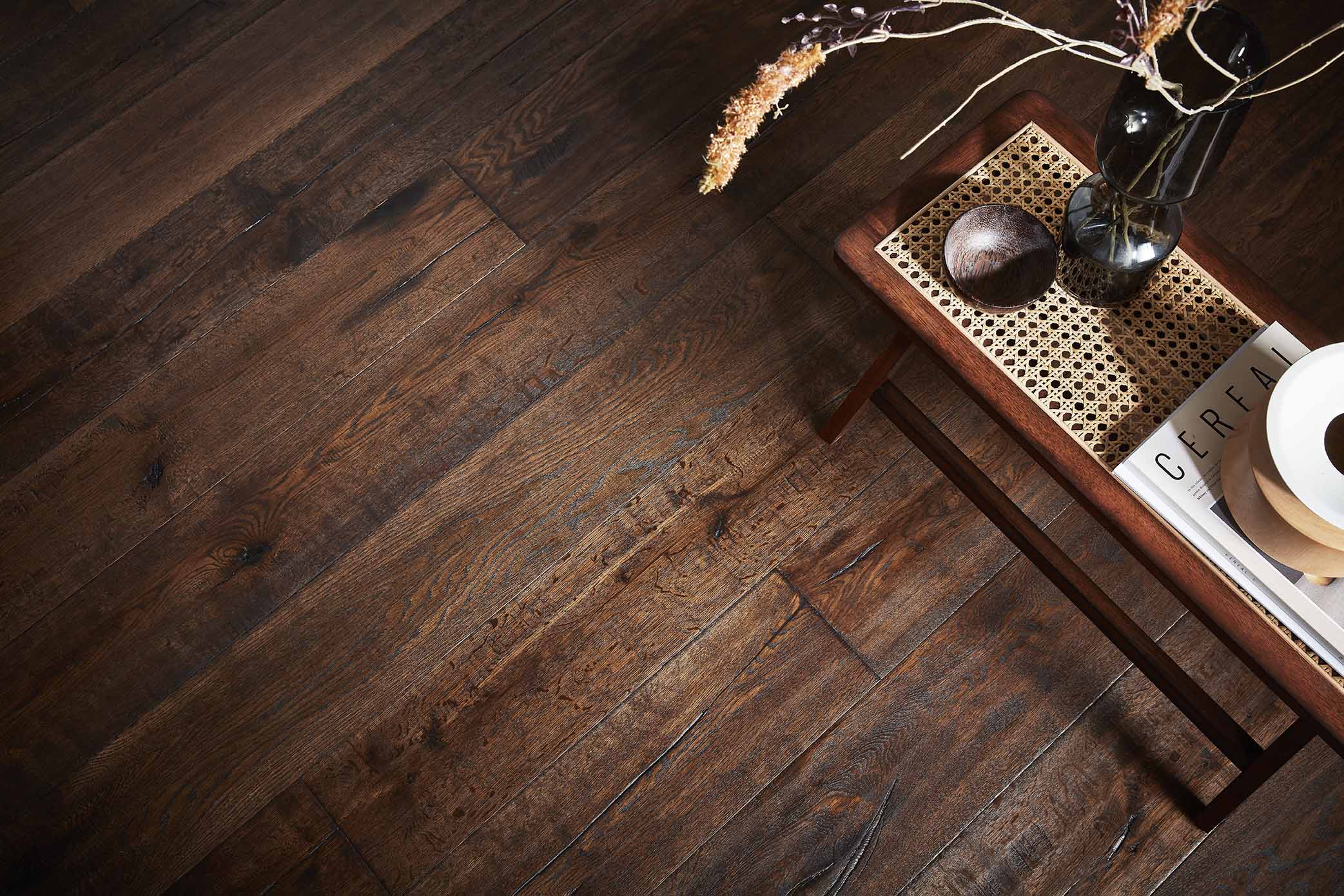
Floors that define your space
At Atkinson & Kirby, we understand the need for an intelligently selected range of wood flooring styles, providing you with a variety of options to suit every project.
about us