
Wood Flooring is still the surface of choice
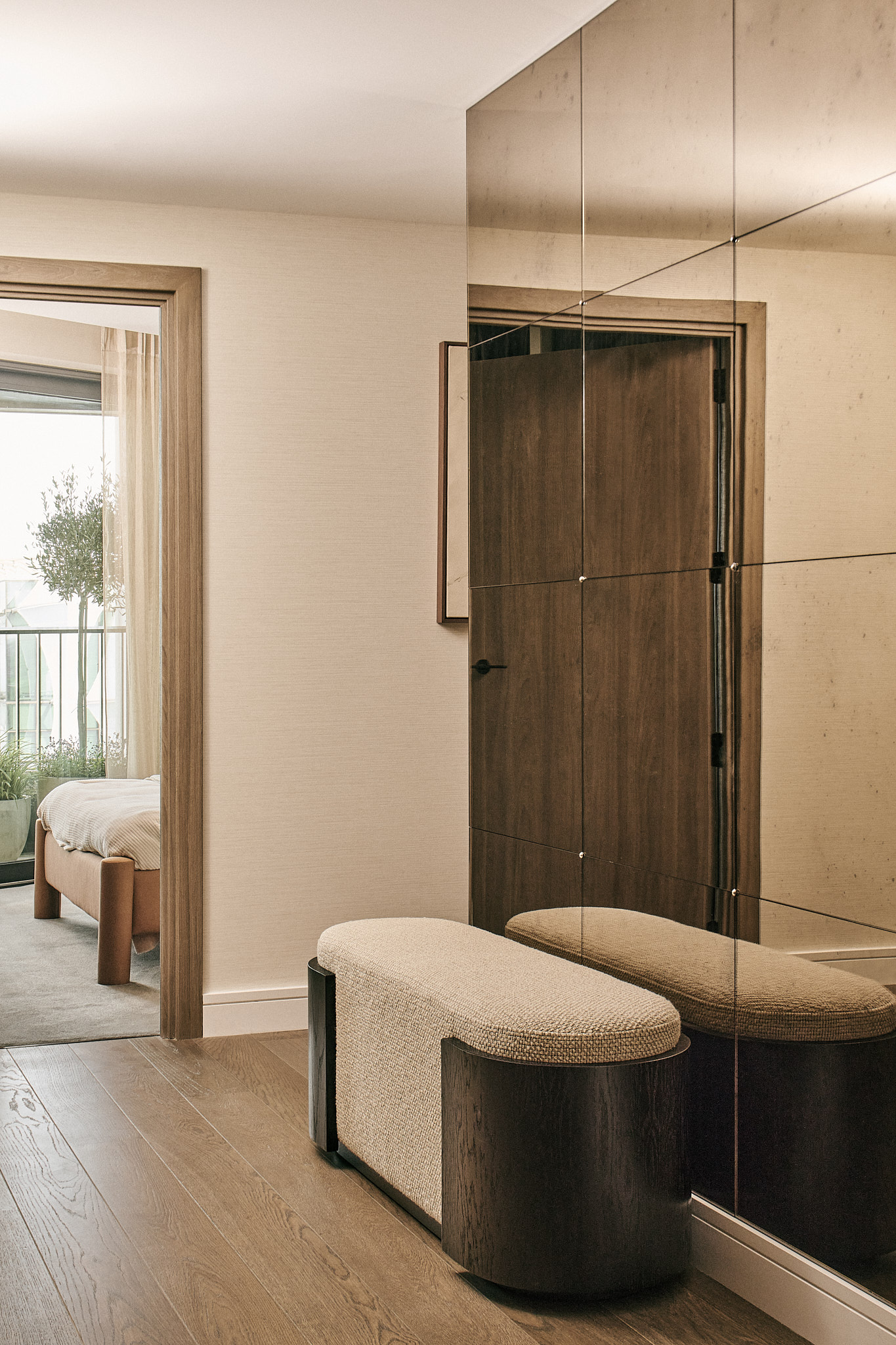
In modern hotel design, Atkinson & Kirby wood flooring helps shape first impressions, blending aesthetics, durability and comfort to enhance experience…
In hotel design, surfaces are storytellers. They are the elements guests see, touch and experience first-hand, shaping perception long before a room key is collected.
Among these surfaces, flooring plays a uniquely influential role. It establishes the tone of a space, supports acoustics and quietly communicates quality and comfort. For hotels striving to balance distinctive aesthetic impact with durable commercial performance, wood flooring continues to be a leading choice, valued for both its longevity and enduring natural beauty.
Wood possesses an innate ability to humanise interiors. Its natural grain, texture and tonal variation introduce a sense of authenticity that many hard surfaces struggle to replicate. In hospitality environments, where creating a feeling of warmth, welcome and wellbeing is essential, this natural connection becomes particularly valuable.
As hotels evolve to work harder than ever — serving simultaneously as destinations, workspaces and retreats — the surfaces beneath our feet must deliver more than visual appeal. It is this growing demand for performance and versatility that has positioned engineered hardwood flooring as a vital specification in contemporary hotel design.
By combining a genuine wood surface with a multi-layered engineered construction, engineered hardwood offers enhanced structural stability and durability. This makes it especially suited to high-footfall hotel environments, delivering the timeless beauty of solid wood while meeting the practical requirements of modern hospitality spaces.
Atkinson & Kirby have long championed this balance between craftsmanship and performance, supplying commercial-grade engineered hardwood flooring solutions through their hospitality-focused collections. Their approach recognises that hotel flooring must be both expressive and resilient, capable of withstanding daily operational demands while maintaining its visual integrity over time.
A standout example is Verdant Smoked Oak Parquet, a design that aligns closely with current interior trends. Its rich smoked finish enhances the natural grain of the oak throughout the board, allowing the colour to remain consistent even after replenishment. The result is a floor that introduces heritage and sophistication without feeling heavy or outdated. Particularly suited to boutique hotels, lounges and destination restaurants, it functions as a statement surface, anchoring a space while elevating the overall design narrative.
Beyond aesthetics and durability, timber flooring also supports the functional needs of hospitality environments. Compared to stone or tile, timber provides a warmer, more tactile underfoot experience, enhancing guest comfort. It also contributes to acoustic performance by softening sound in busy public areas. When paired with advanced protective finishes, engineered hardwood flooring can be easy to maintain and highly resistant to wear — key considerations for both specifiers and hotel operators.
Ultimately, surfaces within hotels play a defining role in shaping atmosphere and guest experience. Flooring, though often understated, forms the foundation of how a space looks, feels and performs. By selecting engineered hardwood flooring solutions such as Verdant Smoked Oak Parquet, designers can create interiors that deliver long-term durability while supporting distinctive and memorable design identities.
Image Credit: Richard Kiely
Product featured: Rogen Oak at Nine Elms
Manufacturer and supplier of premium hardwood flooring, Atkinson & Kirby, has relocated its headquarters to Chirk, North Wales, joining the company’s existing onsite manufacturing and distribution facility. As part of the ongoing development of the company, Atkinson & Kirby has relocated its office headquarters to join its existing manufacturing and distribution facility in Chirk. The move will improve both the service and quality of products by having all staff in one location, unifying working relationships between all departments, from marketing to distribution, as well as improving efficiency, customer service and delivery. Atkinson & Kirby still retains its office and distribution in Livingston. Tradition is an integral part of Atkinson & Kirby and the company is proud to remain one of a few British manufacturers of hardwood flooring, with a selection of solid flooring being produced in its Chirk mill. Tony Miles, CEO of Atkinson & Kirby, comments: “The consolidation of all offices to Chirk is a big move and demonstrates just how serious we are about British manufacturing and sustainability. “We are FSC® certified and take pride in the quality of wood we supply, with rigorous inspections at various stages of production, making sure the wood is always from a sustainable source. “We are a family business and above all, excellent quality and customer service are our priority. The move is already proving successful, with a unified workforce, improved communication and efficiency.
READ ARTICLEChoosing flooring for your home is no longer just about how it looks or how durable it is. Many homeowners are rightly asking, ‘Is vinyl flooring toxic?’ and looking more closely at how different indoor materials affect the space's air quality. In our latest guide, we explain what non-toxic flooring means, how VOCs and off-gassing work, and which flooring options are generally considered safer for your home. Is flooring toxic? Vinyl flooring can release VOCs, especially in lower-quality products or older materials, although modern flooring options are typically lower-emitting. Laminate flooring may contain adhesives that emit formaldehyde, depending on how it's manufactured. Solid hardwood flooring is considered the safest option because it's made from natural timber and can be low in VOCs. Engineered wood flooring can also be low in emissions, but it depends on the core construction and finish used. Off-gassing is usually most noticeable shortly after installation and reduces over time. Fancy speaking to our team? Get in touch with them today to discuss your flooring projects or order a sample. What is toxic flooring? Some forms of vinyl and laminate flooring are considered to be toxic. This is because certain types can contain reprocessed plastic and other toxic chemicals, including cadmium, toxic phthalates and lead. These flooring materials can give off toxic fumes that can impact air quality through a process called off-gassing. By contrast, natural building materials and healthy flooring are made with products that are free from harmful chemicals. These types of flooring - including natural stone and wood floors - are considered 'low VOC' (Volatile Organic Compounds). Sometimes, even those who shop carefully and make lifestyle choices to build a 'chemical-free house' can find that they've overlooked their flooring manufacturers and products. What is off-gassing? In simple terms, off-gassing is the process by which dangerous chemicals are released into the air. An easy-to-recognise example might be the smell of wet paint - when you sniff that recognisable scent, it means the chemicals in the paint have risen into the air. Of course, some smells and fumes are harmless to our health, but others - particularly those with dangerous chemicals or toxins - can have a serious impact. Who is at risk from off-gassing? Anyone can be affected by the toxic chemicals in certain flooring and building materials. However, typically, babies and young children are among the most susceptible to the effects of toxic air quality. Adults and those with weakened immune systems or respiratory issues can also experience strong symptoms from inhaling the fumes. In the case of toxic flooring - for example, certain types of vinyl floors - it's likely that anyone who spends a lot of time close to the material itself will be the most affected. This can mean toddlers crawling around, as well as pets. What are Volatile Organic Compounds (VOC)? Volatile Organic Compounds (VOCs) are gases that are emitted into our air from various products. They can be standalone harmful chemicals that are dangerous on their own; sometimes, VOCs react with other gases or chemicals to create other pollutants. In flooring material, VOCs can commonly be found in products like stains, varnishes, adhesives and certain finishes. Natural materials - such as solid wood flooring or hardwood flooring - are generally classed as 'low-VOC'. High levels of exposure to VOCs can be harmful to the environment and health. What are formaldehyde emissions, and how do they relate to low-VOC flooring? Formaldehyde emissions are some of the most common VOCs. The Environment Agency classifies formaldehyde fumes as a 'probable human carcinogen'. Formaldehyde is sometimes used for its bonding qualities, so formaldehyde can be found in plywood, top coats, vinyl adhesive and more. It can irritate the eyes, nose, throat and skin. Significant exposure can also cause cancer. Once you know to look out for formaldehyde fumes, you'll be able to identify which flooring is the safest and best to use. A product labelled as ULEF (ultra-low emitting formaldehyde) is certified at the highest category and is the best choice for homes, though it likely contains formaldehyde, it emits fumes at extremely low levels. Formaldehyde can also be found in the emissions from vinyl flooring adhesive and the base layer of many laminate flooring types. A product labelled NAUF (no added urea formaldehyde) is essentially the next best thing. These products don't use urea formaldehyde, which causes the fumes to be released for the entire life cycle of the product. Instead, these products use alternative glues and release around 90% fewer formaldehyde emissions. The 7 most common flooring types Below, we look at some of the most common flooring types and how they compare in terms of toxicity, VOC emissions, and how suitable they are for a healthy home environment CARPET Carpet has traditionally been a popular choice of flooring. As we become more aware of the health risks associated with carpet flooring, many people are searching for more natural, eco-friendly flooring options, also known as green flooring options. There are many areas in which harmful chemicals could be used within synthetic carpet, including the dye used to colour the carpet, adhesives used to bind carpet fibres, and the dangerous chemicals used to create resistance to stains. New carpet installation is a large contributor to indoor air pollution - a recent EU study identified over 59 hazardous substances found in carpets. Synthetic carpet can hold these dangerous chemicals for months, if not years. However, there are ways to limit exposure. If you are set on choosing a carpet or a rug for your home, place the rug outdoors or in a well-ventilated area for at least a week, as the first few weeks are when the carpet expels the most toxic fumes. Natural fibre carpets, such as wool or sisal, are widely considered a lower-toxicity alternative to synthetic options because they are treated with the same chemicals. HARDWOOD FLOORING Hardwood flooring is widely considered one of the safest and least toxic flooring options, as it's made from natural timber, which contains fewer synthetic materials than its alternatives. There are two types of hardwood flooring, solid or engineered. When installing hardwood floors, the most common option is to glue the floor down. There are many safe, non-toxic glue options that you can use. Speak to your installer about sourcing non-toxic glue. Alternatively, flooring profile options have advanced, including 5G click, which simply clicks together, allowing you to ‘float’ the floor, without requiring glue. It’s worth noting that finishes and adhesives can affect overall VOC levels, so choosing products that are low in VOC can help to further reduce emissions. SOLID HARDWOOD FLOORING Solid hardwood flooring is considered the safest and least toxic option as it’s completely natural and free from any toxins. Solid hardwood floors are made of planks milled from a single piece of timber, which makes them a healthy flooring option. Solid wood flooring has many advantages, including its durability. With proper maintenance and care, solid wood flooring can last a lifetime. This type of flooring in its natural state, is also zero-VOC and has no off-gassing qualities since it's made with natural materials. However, the finish or how it's applied can create VOCs while it cures. For an even more eco-friendly option, choose 100% FSC-certified wood floors, as the timber used to produce the floor comes from legal, sustainable sources. However, as solid hardwood floors are 100% wood, they can’t be used in moist areas, including bathrooms and basements. ENGINEERED HARDWOOD FLOORING Engineered hardwood flooring has low toxicity and similar advantages to solid hardwood flooring, but it can also be used with underfloor heating. Engineered wood floors are made from multiple layers of engineered wood for extra stability. Because it is created using natural wood, it has zero to low VOC levels. LAMINATE FLOORING Laminate flooring can contain adhesives used within its core construction, which may release formaldehyde over time. Laminate flooring mimics hardwood, but instead uses synthetic wood. Unfortunately, due to the toxins and chemicals in the bonding adhesives, laminate isn’t the safest option for non-toxic flooring, although emissions vary depending on the quality and manufacturing standards. CERAMIC TILES Ceramic tiles are another safe flooring option, as the tiles are usually made from non-toxic materials. However, as tiles require a thin-set mortar for the tiles to adhere to, as well as grout to fill the spaces between each tile. While the tiles themselves do not contain these harmful chemicals, it is possible that these products do. Therefore, it’s a good idea to check all components when opting for tile flooring. VINYL FLOORING Vinyl flooring and luxury vinyl plank or tiles (LVT) types have become extremely popular in recent years, thanks to their durability and budget-friendliness. However, while good-quality vinyl plank and tile are viable options for flooring projects, some types of vinyl flooring, mostly ones that are of poor quality or made using old-fashioned manufacturing processes, have historically been found to have phthalates in them, which can be harmful due to off-gassing and affect indoor quality. These days, most vinyl flooring from quality, trustworthy manufacturers has drastically reduced VOC levels. Specifically, vinyl plank and luxury vinyl plank or luxury vinyl tile flooring are low in VOCs and at low risk for off-gassing. Rolled vinyl flooring is typically higher in off-gassing risk levels. Creating a Healthier Home: The Best Non-Toxic Gym, Kitchen, and Living Room Flooring With so many options available, finding affordable, non-toxic flooring that suits your lifestyle can feel overwhelming. From moisture-resistant, non-toxic vinyl flooring for kitchens to high-performance non-toxic laminate flooring for busy hallways, each material offers unique benefits. Use the table below to compare our Atkinson & Kirby collections and find the healthiest fit for every room in your home. Flooring Type Toxicity Risk Featured A&K Collection Room Best Fit Is it toxic? Solid Hardwood Very Low Antique Natural Bedrooms, Hallways, Dining Rooms & Living Rooms Naturally zero-VOC and the healthiest choice Engineered Wood Low Breathe Heritage All-rounder; Lounges & Hallways Not when using low-emission adhesives. Luxury Vinyl Tiles (LVT) Low to Medium Bathroom & Utilities Modern LVT is phthalate-free and safe for high moisture areas Natural Rubber Low Home Gyms & Playrooms Natural rubber is the best non-toxic gym flooring. Affordable Wood Low Principle All-rounder; Lounges, Dining Rooms & Hallways Affordable non-toxic flooring complies with high safety standards. Affordable Non-Toxic Flooring: Quality on a Budget Choosing a healthy floor doesn't have to break the bank. If you are looking for affordable non-toxic flooring, Atkinson & Kirby offer products in our Principle Collection that are affordable without compromise. Certain modern laminate flooring and luxury vinyl tiles (LVT) are designed to be budget-friendly while meeting strict low-emission standards, though they remain toxic to the environment upon end of life. By looking for specific certifications, you can find a cost-effective solution that doesn't compromise on indoor air quality. What are the best non-toxic flooring options? When choosing non-toxic flooring, natural and low-emission materials are often considered the safest. They include: Solid hardwood flooring that is made from natural timber and can be low in VOCs Engineered hardwood flooring, which offers similar benefits with added stability Ceramic or stone tiles are typically low in emissions once they are installed Natural materials such as cork or linoleum are made from renewable resources, which contain minimal VOCs IN SUMMARY When choosing flooring, one of the most effective ways to create a healthier indoor environment is to opt for natural materials and low-VOC products.Solid and engineered wood flooring are often among the safest choices, particularly when they are responsibly sourced and finished with low-emission products. Atkinson & Kirby is committed to supplying non-toxic hardwood flooring, with solid hardwood flooring accessories being manufactured at our mill in Britain. All of our hardwood floors undergo strict due diligence checks and are FSC® and PEFC®, meaning you can be sure the timber was sourced from sustainable forests. View our solid hardwood floors or engineered hardwood floors. If you would like to order a sample or speak to one of our experienced customer service team, contact us here.
READ ARTICLE